Seasonal Wildlife Issues Homeowners Should Watch For
Homeowners seeking to address seasonal wildlife issues should connect with local service providers who can effectively remove animals and prevent future problems.
Homeowners in the area often find that seasonal wildlife issues can pose unexpected challenges to maintaining a safe and comfortable property. As animals seek shelter, food, or warmth during different times of the year, they may find their way into attics, crawl spaces, or other parts of a home, leading to potential damage or disturbances. Understanding what to watch for during each season can help property owners stay ahead of these issues, making it easier to protect their homes and loved ones. Local contractors experienced in seasonal wildlife removal are equipped to address these concerns efficiently, providing practical solutions tailored to the unique needs of the community.
Exploring the common wildlife concerns that arise throughout the year can empower homeowners to recognize early signs of intrusion and take appropriate action. Whether it’s spotting new holes in the roof after fall or noticing unusual sounds during spring, being aware of seasonal patterns can make a significant difference. Connecting with local service providers who specialize in wildlife removal ensures that any problems are handled promptly and effectively, helping to prevent more extensive property damage or health risks. Keep reading to learn more about the seasonal wildlife issues homeowners should be aware of and how local experts can assist in keeping properties safe and secure.
- Bird nesting removal - homeowners should watch for early signs of bird nests in eaves and vents, with local contractors safely removing nests and preventing future buildup.
- Skunk and raccoon trapping - when these animals are active around the property during spring or fall, local service providers can humane trap and relocate them to reduce damage and health risks.
- Squirrel exclusion - during seasons when squirrels seek shelter, homeowners may notice chewed wiring or entry points, and local pros can seal off these access areas effectively.
- Bats in attics - if bats are observed roosting in attic spaces, local contractors can perform humane exclusion to prevent health concerns and property damage.
- Wildlife entry point repairs - as animals seek shelter during seasonal changes, local service providers can identify and seal gaps to prevent unwanted wildlife from entering the home.
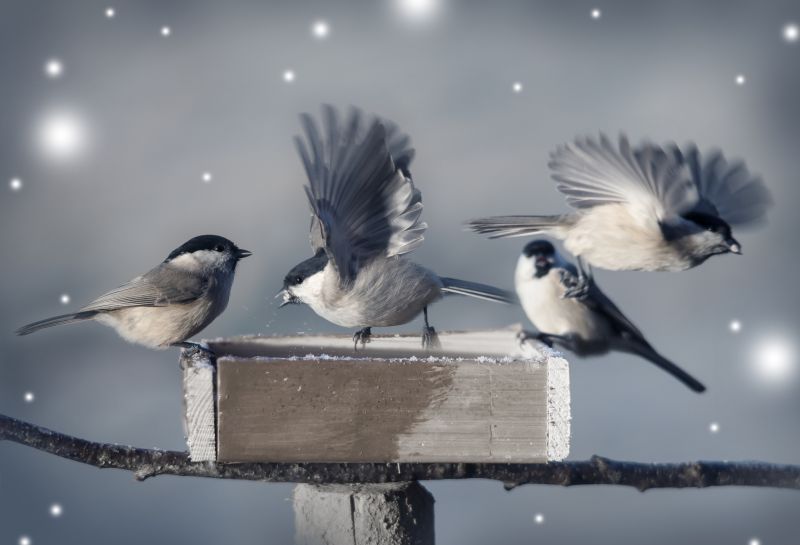
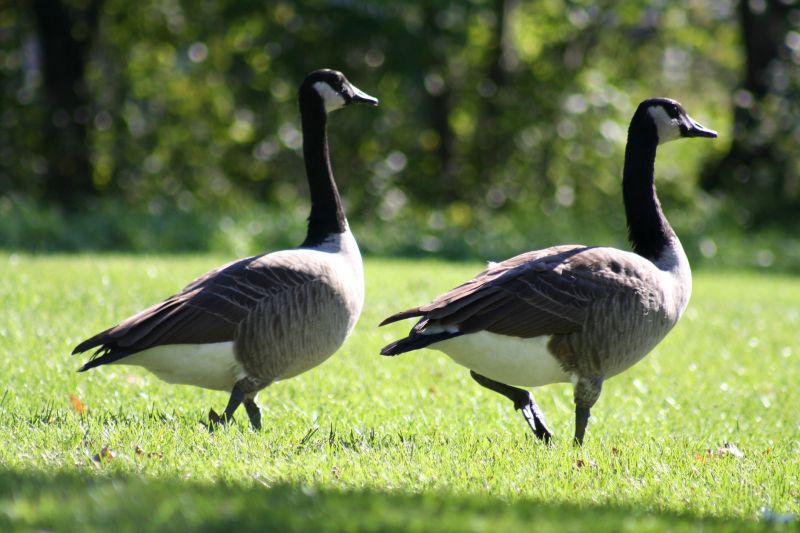
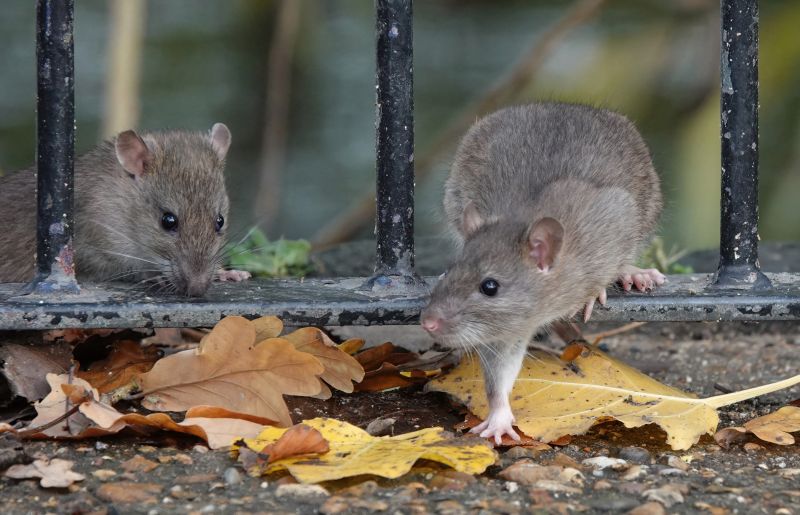
Seasonal wildlife issues homeowners should watch for often relate to the natural behaviors and migration patterns of local animals during different times of the year. Many homeowners searching for this topic are concerned about animals seeking shelter, food, or mates, which can lead to problems around the property. For example, during spring and early summer, animals such as raccoons, squirrels, and birds may attempt to nest in attics, chimneys, or wall cavities. In fall, the focus might shift to animals preparing for winter, seeking warm hideouts or storing food in unexpected places. Understanding these seasonal behaviors helps homeowners recognize when certain issues are likely to arise and how local contractors experienced in wildlife removal can assist in addressing them effectively.
The problems associated with seasonal wildlife issues often involve property damage, health risks, and nuisance concerns. Animals nesting in attics or wall spaces can cause structural damage, chew wiring, or create entry points that allow other pests to enter. Additionally, wildlife such as rodents or birds may leave droppings or debris that pose health hazards. Homeowners may also notice increased noise or odors as animals settle into their seasonal hideouts. Planning for these issues involves not only removing the current animals but also implementing exclusion measures to prevent future problems. Local service providers specializing in seasonal wildlife removal can evaluate the property, safely remove the animals, and help install barriers or repairs to minimize ongoing risks.
The types of properties most affected by seasonal wildlife issues tend to be residential homes with accessible attic spaces, chimneys, or exterior structures like sheds and decks. Homes with mature trees close to the house are also more prone to wildlife intrusion, especially during migration or breeding seasons. Rural properties or those with less urban development may experience a wider variety of wildlife, including larger animals like raccoons or foxes, which can cause more significant damage. Even urban homes are not immune, especially if they have gaps or openings in siding, vents, or rooflines. Recognizing the specific property features that attract seasonal wildlife helps homeowners understand the importance of professional assessments and targeted removal services offered by local contractors.
For homeowners concerned about seasonal wildlife issues, working with local pros ensures that the problem is handled safely and effectively. These specialists can identify the types of animals involved, assess entry points, and recommend appropriate removal and exclusion strategies. Since wildlife behaviors vary with the seasons, a professional approach includes timing interventions to match animal activity periods, reducing the chance of repeat visits. Homeowners should consider scheduling inspections before peak seasons or when noticing early signs of intrusion. Connecting with experienced service providers ensures that seasonal wildlife issues are managed in a way that protects the property and minimizes future risks, making it easier to maintain a safe and comfortable home environment year-round.
Gutter Cleaning and Maintenance - Proper gutter cleaning helps prevent debris buildup that can attract wildlife seeking nesting sites during seasonal changes, and local contractors can provide safe removal services.
Attic Insulation and Ventilation - Ensuring attic spaces are properly insulated and ventilated can reduce the likelihood of animals entering homes in search of warmth or shelter during seasonal shifts.
Roof Repair and Inspection - Regular roof inspections identify potential entry points for wildlife, allowing service providers to secure vulnerable areas before seasonal wildlife issues become a problem.
Fence and Barrier Installation - Installing barriers or fencing can help keep wildlife away from gardens and yard spaces during peak seasons when animals are more active.
Pest Proofing and Exclusion - Local contractors offer exclusion services that prevent animals from nesting in attics, walls, or crawl spaces during seasonal wildlife activity periods.
Tree Trimming and Landscape Management - Properly maintained trees and shrubs reduce accessible pathways for wildlife to access roofs and attics during seasonal periods of increased activity.
When evaluating local contractors for seasonal wildlife removal, it’s important to consider their experience with similar projects. Homeowners should look for service providers who have a proven track record in handling wildlife issues that are common during specific seasons, such as raccoons in the fall or birds during migration periods. Asking for details about their past work can help determine if they have the necessary expertise to effectively address seasonal wildlife issues homeowners should watch for, ensuring the chosen contractor understands the unique challenges each season presents.
Clear, written expectations are essential when comparing service providers. Homeowners should seek out contractors who provide detailed descriptions of the scope of work, including inspection procedures, removal methods, and follow-up measures. Having a transparent outline of what to expect helps prevent misunderstandings and ensures that the wildlife issues homeowners should watch for are addressed thoroughly. Well-documented expectations also serve as a useful reference throughout the project, making it easier to evaluate whether the service provider meets the specific needs related to seasonal wildlife concerns.
Reputable references and strong communication are key indicators of a reliable local contractor. Homeowners should inquire about references or reviews from previous clients who faced similar seasonal wildlife challenges. Good communication from the service provider-such as responsiveness, clarity, and willingness to answer questions-can significantly impact the overall experience. A contractor that maintains open lines of communication and provides trustworthy references demonstrates professionalism and a commitment to quality service, which is especially important when dealing with the complexities of seasonal wildlife issues homeowners should watch for.
Property owners often search for seasonal wildlife issues homeowners should watch for when they are planning practical projects around their homes and businesses. Local pros provide Seasonal Wildlife Removal services for everyday jobs and straightforward project options.
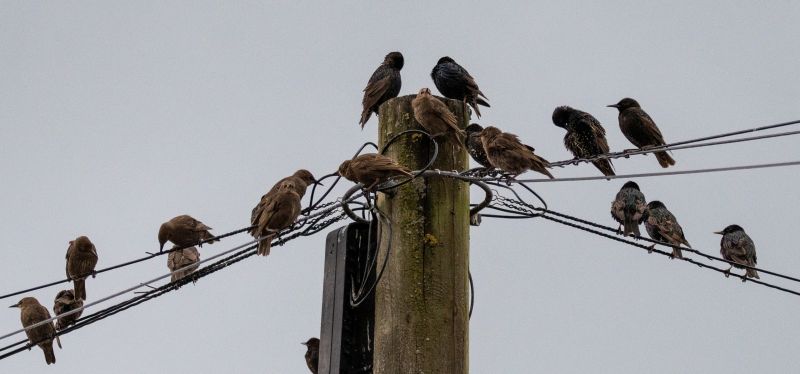
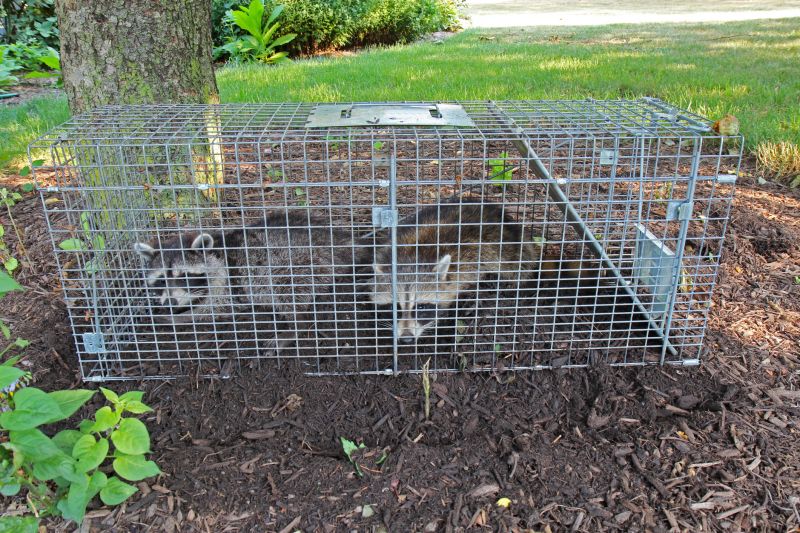
Seasonal wildlife issues homeowners should watch for often become more noticeable during certain times of the year, prompting property owners to inspect their homes and yards regularly. Common signs include unusual noises, droppings, or damage around vents, eaves, and attics, which can indicate the presence of animals such as raccoons, squirrels, or birds seeking shelter. Addressing these issues early can prevent more significant problems like property damage or health concerns, making it helpful to connect with local contractors experienced in wildlife removal and exclusion.
During seasonal changes, homeowners might also notice increased activity around their exterior structures, especially as animals search for nesting sites or winter shelter. Gaps, holes, or chewed areas in siding, soffits, or roofing are often signals that wildlife has taken an interest in the property. Engaging with local service providers who specialize in seasonal wildlife removal can help ensure that any entry points are properly sealed and the property remains protected against unwanted animal visitors. These professionals can assess the situation and provide effective solutions tailored to the specific wildlife issues of the season.
What signs indicate seasonal wildlife issues homeowners should watch for? Homeowners should look for signs like droppings, chewed wires or insulation, unusual noises, or visible animals near the property, which may signal wildlife presence requiring removal services.
When is the best time to address wildlife problems during seasonal changes? The best time to address wildlife issues is typically during seasonal transitions when animals are active, such as spring and fall, to prevent infestations and damage.
How can local contractors help with seasonal wildlife issues homeowners should watch for? Local service providers can inspect properties for entry points, safely remove animals, and recommend repairs to prevent future wildlife problems during seasonal periods.
What types of wildlife are most common during different seasons? Common wildlife varies by season, including birds and squirrels in spring and summer, raccoons and bats in fall, and rodents seeking shelter in winter.
Why is it important to address seasonal wildlife issues promptly? Prompt attention can prevent property damage, reduce health risks, and avoid more costly problems that can arise if wildlife issues are left unaddressed during seasonal changes.
Inspect vents and chimneys - regular checks can identify animal entry points before wildlife causes damage or health issues, with local contractors providing removal and sealing services.
Seal gaps and holes - filling small openings around the home prevents seasonal wildlife issues homeowners should watch for, and local pros can assist with effective repairs.
Install deterrents and barriers - applying humane deterrents or fencing can keep wildlife away from garden and attic areas, with local service providers offering safe installation options.
Trim tree branches near the home - reducing access points for climbing animals can minimize seasonal wildlife issues homeowners should watch for, and local contractors can help with proper pruning.
If you are thinking about seasonal wildlife issues homeowners should watch for for a property, this guide is meant to help you understand this topic, the typical project types, and how different options might fit your plans.
When you are ready, you can use the quote form on this page to share a few details about your project. From there, local pros can review the basics and follow up with options that match what you have in mind.