
Top-Rated Products for Dead Animal Extraction and Odor Control
Learn about reliable solutions that help eliminate odors and restore safety after dead animal incidents.
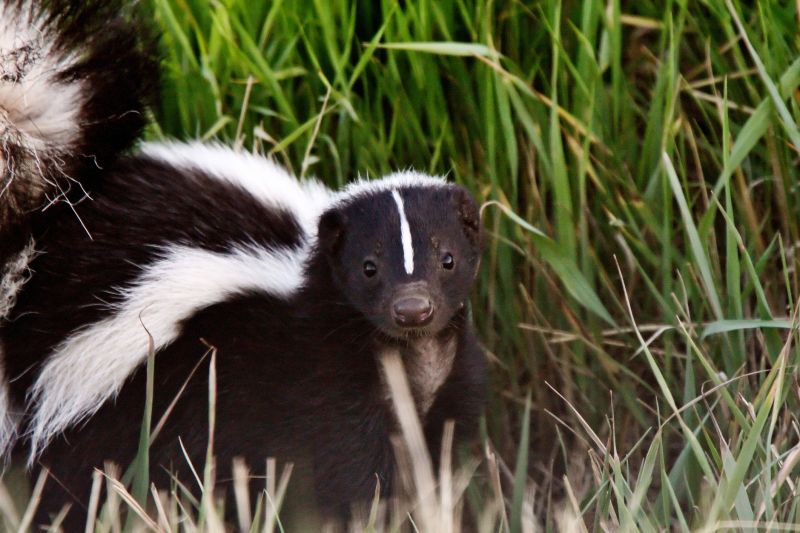 Dealing with dead animal removals can be a challenging and often unpleasant task for homeowners, property managers, and pest control professionals alike. The process requires specialized products designed to safely and effectively locate, access, and remove carcasses from various environments. These products help minimize health risks associated with decomposition, such as foul odors and potential pathogen exposure. Proper tools and supplies are essential for ensuring thorough removal and sanitation, especially in hard-to-reach areas like attics, crawl spaces, or wall voids.
Top Overall Option
Multi-Functional Dead Animal Removal Kit
This comprehensive kit offers a range of tools including long-handled retrieval poles, odor-neutralizing sprays, and protective gear, designed to assist in locating and removing carcasses from various hard-to-reach areas. Its versatile components make it suitable for both professional and DIY use, ensuring effective cleanup and sanitation after removal.
Types of Products For Dead Animal Removals
Long-Handled Retrieval Poles
Extend your reach with sturdy poles designed to access carcasses behind walls or in ceilings without causing damage.
Suction Devices
Specialized vacuum tools that help extract carcasses from confined spaces safely and efficiently.
Odor Neutralizing Sprays
Effective sprays formulated to eliminate foul odors associated with decomposition.
Disinfectant Sprays and Gels
Cleaning agents designed to sanitize areas after carcass removal, reducing health risks.
Protective Gloves and Masks
Personal protective equipment to ensure safety during removal and cleanup.
Inspection Cameras
Portable cameras that help locate hidden carcasses in dark or inaccessible spaces.
Wall and Ceiling Access Panels
Removable panels that allow easier access to concealed areas for removal tasks.
Trap and Catch Nets
Net tools for capturing small to medium-sized animals before removal.
Enzyme-Based Cleaners
Biological cleaners that break down organic matter and odors effectively.
Portable Light Sources
Bright, handheld lights to illuminate dark spaces during inspection and removal.
Popular Choices
Flexible poles equipped with claw heads for grabbing and removing carcasses in tight spaces.
Absorbent powders that help reduce lingering odors after carcass removal.
Compact cameras that facilitate locating hidden carcasses behind walls or ceilings.
Protective gloves designed for safe handling and cleanup during removal tasks.
Devices that improve air quality by filtering out odors and airborne pathogens.
Gel formulations that trap and neutralize strong odors in affected areas.
Removable panels that provide quick access points for carcass removal behind walls.
Pre-moistened wipes for quick cleaning of surfaces after removal.
Bright, portable lights ideal for inspecting dark or hidden spaces.
Net tools designed to safely capture small carcasses or animals before removal.
Effective dead animal removal products often include long-handled tools, specialized suction devices, and odor-neutralizing agents. These tools are crafted to assist in locating carcasses hidden behind walls or beneath floors without causing additional damage. Odor control is a critical component, as decomposition odors can linger and cause discomfort or health concerns. Many products also come with disinfectants or enzyme-based cleaners to facilitate thorough cleanup after removal.
Choosing the right product depends on the specific scenario, such as the type of animal, the location of the carcass, and accessibility. Safety considerations, ease of use, and the potential need for professional-grade equipment are important factors to evaluate. Proper training or guidance is recommended to ensure safe handling and disposal of dead animals, especially in cases involving large or potentially hazardous carcasses. Investing in quality tools and supplies can streamline the removal process and help maintain a clean, odor-free environment.
Key Buying Considerations
- Type of animal and its size to select appropriate removal tools.
- Location and accessibility of the carcass, such as behind walls or in attics.
- Safety features like protective gear and non-toxic cleaning agents.
- Ease of use and ergonomic design of tools for effective handling.
- Odor control capabilities, including neutralizers and absorbents.
- Durability and quality of materials to withstand repeated use.
- Compatibility of tools with existing equipment or specific scenarios.
- Portability and weight, especially for extended or remote removal tasks.
- Professional-grade options versus DIY solutions based on complexity.
- Disposal methods and compliance with local regulations.
- Availability of inspection aids like cameras for hard-to-see areas.
- Cost considerations balanced with product features and reliability.
- Customer reviews and ratings for real-world performance insights.
- Availability of replacement parts or accessories for long-term use.
- Environmental safety and non-toxicity of cleaning and odor control products.